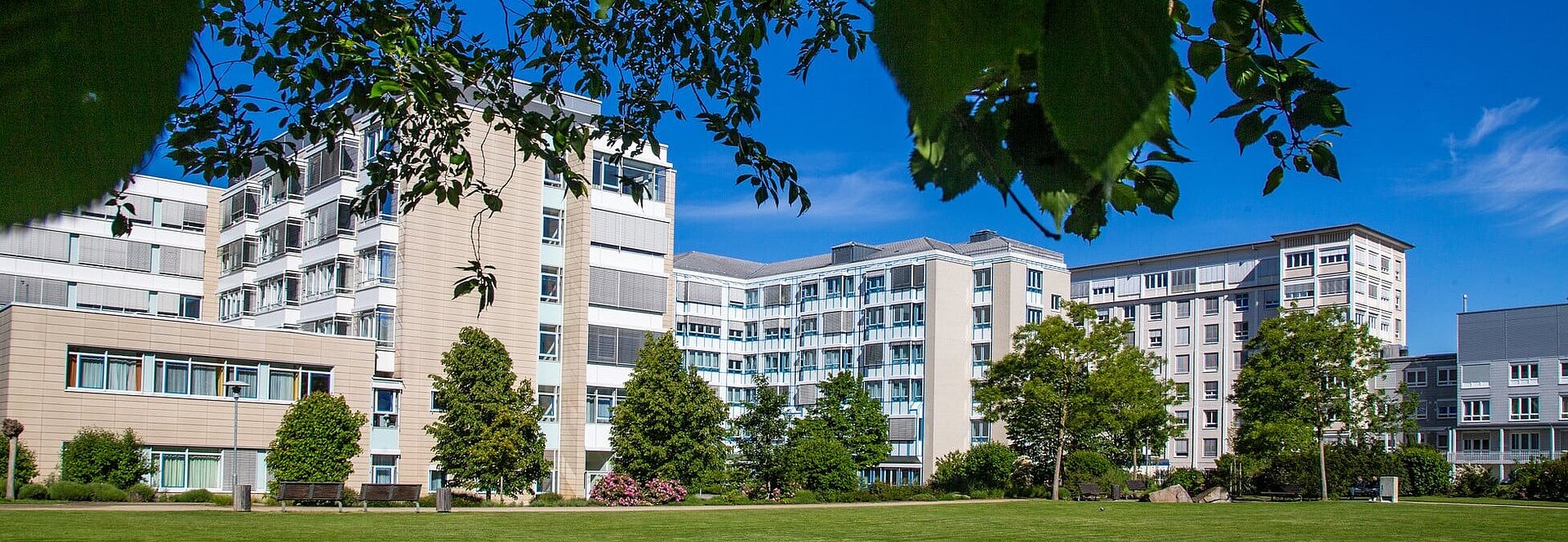
Interdisciplinary continence and pelvic floor center
No one likes to talk about it, but many people are familiar with the problem of involuntary urine leakage. Incontinence is a medical condition that can be successfully treated. It is important for those affected to break the taboo surrounding “incontinence and bladder weakness” and to be able to discuss it with a doctor. It’s worth doing, because the symptoms can usually be alleviated and often even cured.
Focal points of treatment
- Prevention
- Counseling
- Diagnostics
- Treatment
- Rehabilitation
- Continence Care
The most common forms of bladder weakness are stress incontinence and urge incontinence. Climbing stairs, sneezing, coughing, or laughing can lead to involuntary urine leakage. This primarily affects women, but men can also struggle with this problem. Studies show that the number of people suffering from bladder or bowel weakness is steadily increasing. Those affected feel their quality of life is significantly impaired and often withdraw from social life.
However, many incontinence symptomscan be successfully treated. Depending on the cause, symptoms can disappear or at least become manageable through conservative treatment and targeted exercise programs, or even through surgical procedures. In any case, seeing a doctor for a thorough diagnosis and detailed, personalized consultation is essential.
Pooling of Expertise
To optimize close interdisciplinary collaboration among the departments of urology, abdominal surgery, gynecology, pediatrics, gastroenterology, and geriatrics, an interdisciplinary center for continence was established at GPR Klinikum Rüsselsheim. The collaborating departments focus on prevention, counseling, diagnosis, therapy, rehabilitation, and care related to continence for the benefit of affected patients.
Networking of Treatment Partners
The combination of the specialized expertise of these clinics, in collaboration with the GPR PhysioFit Therapy Center, provides optimal conditions for successful treatment. An experienced team of physicians and therapists provides direct care for those affected. The holistically networked system supports patients with interdisciplinary diagnostics, counseling, treatment, and follow-up care.
Patients benefit from having a single point of contact who coordinates the various experts at the specialized clinics, discusses test results and further treatment steps with them, and maintains communication with the referring physician.
Getting in Touch
For an initial consultation at the continence clinic, we require a referral from a practicing urologist. Patients can also inquire about non-surgical and surgical treatment options via email atKontinenz@~@GP-Ruesselsheim.de. Since bladder and bowel incontinence is a sensitive topic for many patients, an email may help alleviate any hesitation they might have about making initial contact.
Management & treatment partners


Outpatient clinics & appointments
Appointments for consultation hours
Office hours are every Monday from 10 a.m. to 2 p.m.
Phone: 06142 88-1018 or 88-4949
Medical management
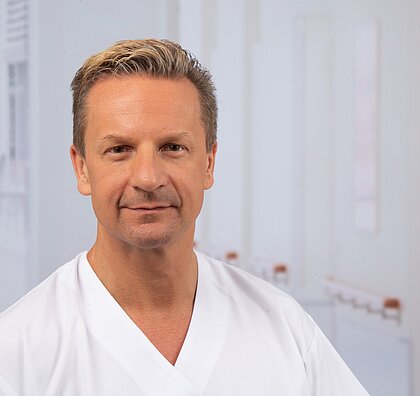
Dr. med. Marcus Benz
Tel.
06142 88-1362
Fax
06142 88-1240
benz@gp-ruesselsheim.de
Interdisciplinary cooperation
Urology -> More information
Gynecology -> more information
General Surgery -> More Information
Pediatrics -> more information
Department of Internal Medicine -> more information
PhysioFit -> more information
Case Management -> more information
Support Group -> more information