Section for Vascular and Endovascular Surgery
The surgical treatment options offered by the Division of Vascular and Endovascular Surgery include conditions of the vascular system, such as
- abdominal aorta
- carotid artery
- arteries and veins of the extremities
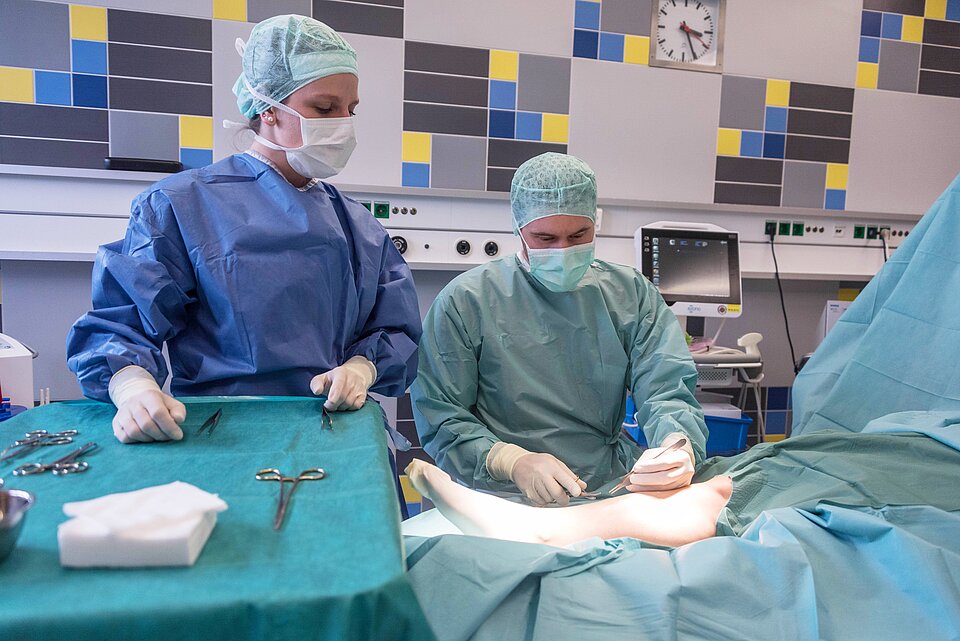
The vascular surgeons at GPR Clinic offer the full range of both “open” vascular surgeries and minimally invasive endovascular (within the vessel) techniques in their specialty. Catheter techniques in particular—as gentle procedures for reopening narrowed or blocked blood vessels—have become a key focus in this department.
Our vascular surgery department is staffed by physicians certified by the German Society for Vascular Surgery and Vascular Medicine as both “Endovascular Specialists” and “Endovascular Surgeons.”
Focal points of treatment
- "open" bypass surgery
- Surgical procedures or interventions involving stents in the carotid artery
- Endovascular techniques in all vascular segments, including visceral vessels
- Atherectomies (endovascular “milling” of blood vessels)
- Open and endoluminal treatment of varicose veins
- Dialysis shunts and implantation of indwelling catheters
Functional diagnostics
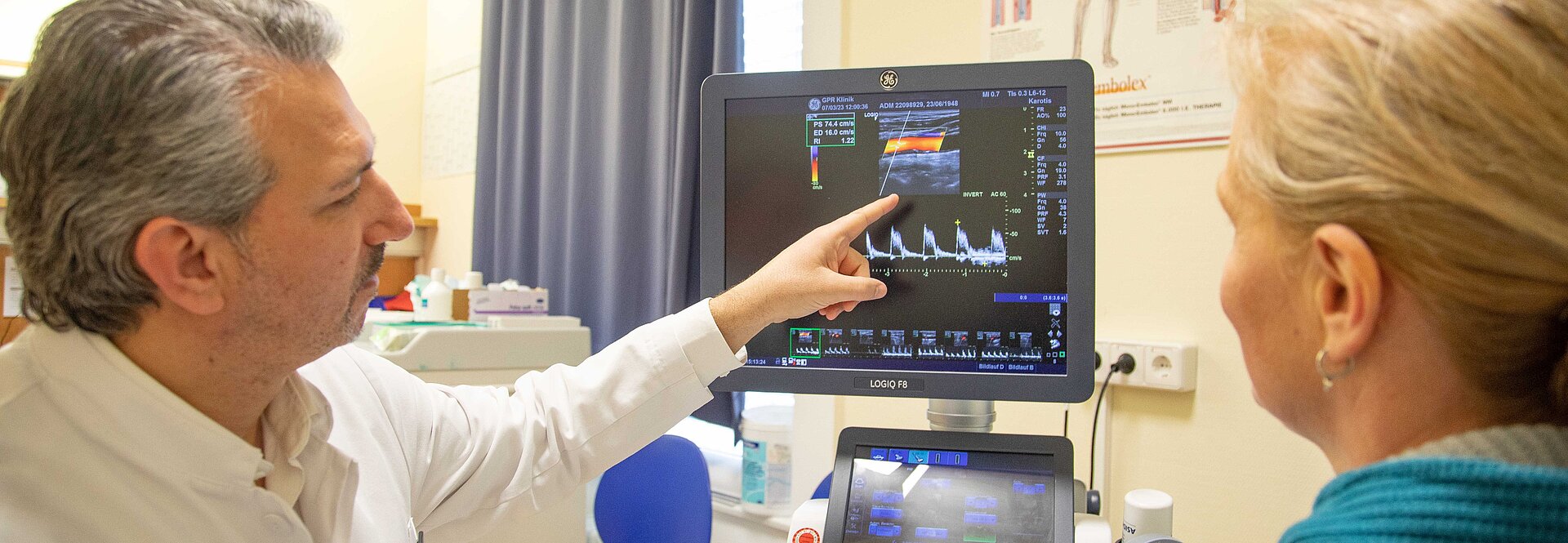
We offer all modern diagnostic procedures for functional diagnostics. In the field of vascular surgery, we utilize color-coded duplex sonography and Doppler probe-based measurement of occlusion pressure. This range of services is complemented by the radiology department’s equipment, which includes an MRI scanner, two CT scanners, and a DSA system.
Treatment for narrowing of the carotid artery (carotid stenosis) to prevent a stroke involves carotid surgery under local anesthesia (locoregional anesthesia) or the removal of the narrowing in the carotid artery using a stent. During our interdisciplinary carotid conference, patient cases are discussed, and a joint decision is made regarding the appropriate treatment measures.
Bypass operations
All bypass surgeries are performed using the patient’s own veins, special vascular grafts, or endarterectomy. In more than half of cases, we can avoid surgery by reopening blocked vessels using catheter techniques, which involve the use of balloon catheters, stents, and special “vascular cutters.” However, surgery and catheter techniques can often be combined in what is known as a hybrid procedure. This allows us to significantly reduce the surgical trauma for the patient and achieve a faster recovery.
Diabetic foot syndrome
Restoration of improved blood circulation in diabetic foot syndrome. This helps prevent amputations and relieves the patient's pain.
Shunt surgery for dialysis
Another area of focus is shunt surgery for hemodialysis patients. This procedure, known as a Cimino fistula, is performed under local anesthesia on an outpatient basis or during a short hospital stay. In addition, we perform specialized dialysis shunts using the patient’s own veins or prosthetics. If necessary, dialysis catheters can be implanted.
Varicose vein treatment - laser therapy
Surgical treatment of varicose veins is typically performed on an outpatient basis at the Surgical Day Clinic. We place particular emphasis on the complete removal of varicose veins combined with an aesthetically pleasing result. Our vascular surgeons perform endovenous laser ablation of varicose veins, a very gentle and efficient procedure. Laser treatment minimizes postoperative discomfort and significantly shortens the healing phase. Furthermore, so-called spider veins can be removed using a special laser. Additionally, varicose veins can also be treated with sclerotherapy. Endoscopic procedures are used for open leg ulcers (ulcer cruris). Skin grafts are used to cover defects in cases of ulcer cruris.
Treatment of chronic wounds
Chronic wounds, often referred to as “open legs,” affect up to four million people in Germany. They are caused by conditions such as chronic venous disease, arterial circulatory disorders, diabetes mellitus, or cancer. These wounds are often difficult to heal, which is why they require specialized medical care. The goal is to provide patients with chronic wounds with interdisciplinary, structured care and to support them on their often difficult and painful treatment journey.
KV consultation hours Dr. Jaroslaw Nakonieczny
Even after stepping down from his position as chief of the Department of Vascular and Endovascular Surgery, Dr. Nakonieczny continues to offer outpatient examinations and consultations during his
regular office hours.
Range of Treatments
Duplex sonography:
- of the abdominal aorta as part of abdominal aortic aneurysm screening and for follow-up after bypass surgery
- of the arteries of the extremities for the diagnosis of PAD (peripheral arterial disease)
- of the veins of the extremities for the diagnosis of chronic venous insufficiency, varicose veins, or venous thrombosis
- of the extracranial arteries supplying the brain for the diagnosis of carotid artery stenosis
- for the evaluation, creation, and monitoring of hemodialysis shunts and vascular accesses for hemodialysis
Team


Outpatient clinics & appointments
MVZ vascular consultation
| Monday | - | Phone: 06142 88-1046 |
| Tuesday | 8:00 a.m. – 12:00 p.m. | |
| Wednesday | - | |
| Thursday | - | |
| Friday | 8:00 AM – 12:00 PM |
To register for our medical center consultation hours, all you need is a referral from your primary care physician.
Wound consultation by Dr. Chadwick Azvedo
Patients with non-healing wounds that have persisted for more than four weeks can schedule an appointment by calling 06142 88-1046 with a valid referral.
| Monday | ||
| Tuesday | ||
| Wednesday | 1:00 PM – 3:00 PM | |
| Thursday | ||
| Friday |
KV vascular consultation by Dr. Jaroslaw Nakonieczny
Registration for Public and Private Insurance Patients
| Monday | - | Phone: 06142 88-1046 |
| Tuesday | 12:00 PM – 3:00 PM | |
| Wednesday | 8:30 a.m. – 10:30 a.m. | |
| Thursday | 12:30 PM – 3:00 PM | |
| Friday | - |
Please note: For patientswith public health insurance who wish to schedule an appointment during our KV clinic hours, we require a referral from a practicing angiologist, cardiologist, or nephrologist! If you have any questions about this, please feel free to contact us by phone.