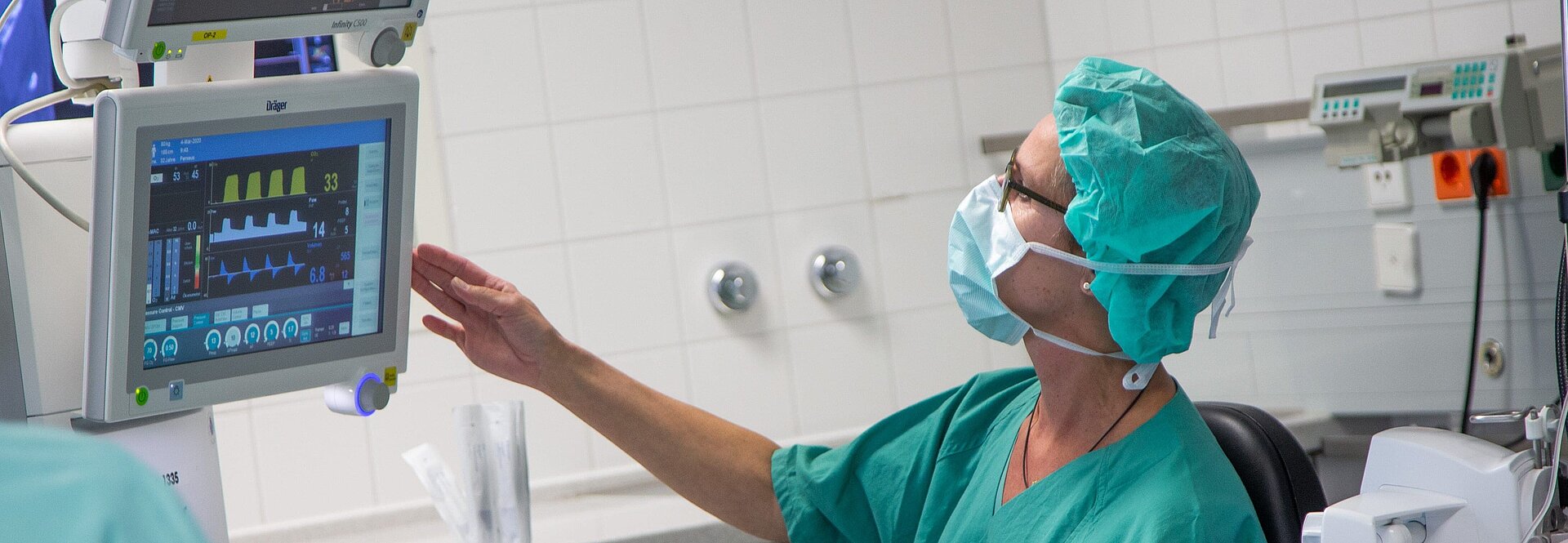
Focal points of treatment
- Information and Counseling Before a Procedure
- Pain relief during and after anesthesia
- Care for critically ill or injured patients in the intensive care unit
- Pain management
- Participation in the emergency medical system
You think: Anesthesia is dangerous
The fact is that a patient is very safe, especially during anesthesia, because ONE patient is cared for by ONE doctor the entire time. The patient is never alone. We conduct a medical history interview and review various test results to determine the most appropriate anesthesia method for you and in consultation with you.
- You think: I hope I don’t wake up during the operation
To that we say: Thanks to state-of-the-art equipment, we can individually measure the depth of anesthesia at every anesthesia station and adjust accordingly. Waking up during anesthesia is not possible.
- You’re worried: I’m too old or too sick for anesthesia
We know that’s not true. Our highly motivated, friendly, and professionally excellent team has the latest and most modern equipment and monitoring systems at their disposal. This minimizes the risk of intraoperative anesthetic complications.
- You’re afraid: I won’t wake up
We can assure you that thanks to the use of highly effective medications, monitoring with the latest technology, and the care provided by our highly competent physicians, this risk is negligible. Discuss this fear with your anesthesiologist. He understands how you feel.
- You’ve heard from others: I didn’t actually want this type of anesthesia
We address each patient’s medical history, allergies, and medications during the pre-anesthesia consultation and always decide on the best type of anesthesia together with the patient.
- You may still remember: Nausea and vomiting after anesthesia—I couldn’t tolerate the anesthesia
We know that postoperative nausea and vomiting have been a major concern for patients in the past. New types of anesthesia and modern medications can prevent nausea and vomiting. This time, waking up will be much more comfortable for you.
- You’re worried: I’m sure I’ll be in pain after the surgery
That is why we have developed a special pain management plan tailored to each patient, ensuring that the hours following surgery will not be a painful ordeal for you. In addition to regional anesthesia techniques—which we perform using ultrasound imaging for the patient’s comfort—we offer various options that allow you, as the patient, to administer pain medication as needed. This gives you control over your own pain relief.
Trust us—we know what we’re doing.
Chief Physician & Team


Outpatient clinics & appointments
Secretariat
Professional Development Courses
Professional Development Courses
- Basic Course 1 based on the curriculum of the DEGUM Anesthesiology Section on November 21–22, 2026 (event flyer)
- Monthly Anesthesia Resuscitation and Emergency Course (Event flyer)
- Anesthesiology Continuing Education Series—Postpartum Hemorrhage: Current Guidelines and Evidence-Based Management (Event flyer)
Privacy Policy - Information for All Anesthesia Continuing Education Courses
- Data Protection (Information Sheet)
- Speaker Information on Data Protection (Information Sheet)
Registration for the Training Course
Gesine Flores Arce
Email: fa-anaesthesie@~@gp-ruesselsheim.de
Phone: 06142 88-1396
Medical management
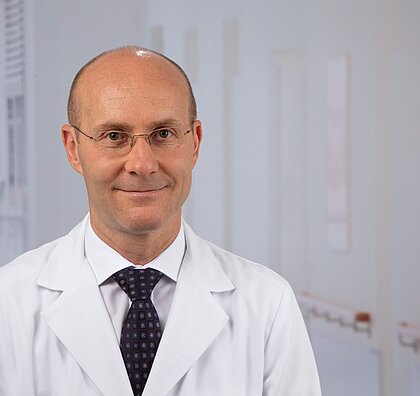
PD Dr. med. Gerd Albuszies, MBA
Tel.
06142 88-1396
Fax
06142 88-1274
albuszies@gp-ruesselsheim.de
PD Dr. med. Gerd Albuszies, MBA holds, in accordance with the 2020 Training Regulations:
- full authorization to provide advanced training in the specialty of anesthesiology (60 months)
- full authorization to provide advanced training in the subspecialty of anesthesiological intensive care medicine (18 months)
Contact us
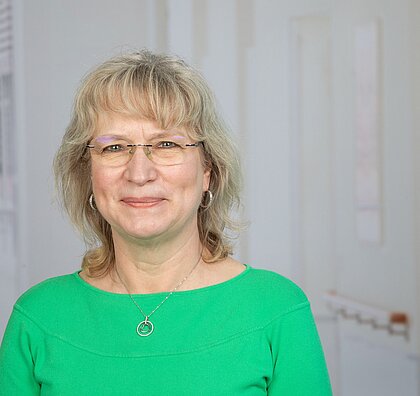
Gesine Flores Arce
Tel.
06142 88-1396
Fax
06142 88-1274
flores@gp-ruesselsheim.de
Interdisciplinary cooperation
Emergency
Medicine More informationTrauma
Surgery More InformationGeneral
Surgery More informationVascular
Surgery More InformationGynecology
more informationDepartment of Internal Medicine
II more information